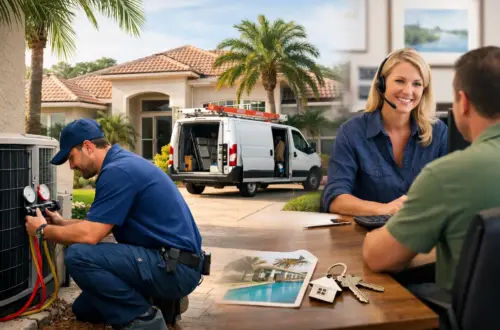
Why Are Calls Not Converting Into Booked Jobs?
A homeowner calls at 10:15 a.m. because their AC is blowing warm air. The call goes to voicemail, gets answered with “Hello?” or turns into a five-minute price debate. By noon, they have called two other companies.
If you are asking, why are calls not converting, the problem is rarely just call volume. You may be getting enough calls. The real issue is what happens between the first ring and the booked appointment.
For a local service business, every missed or mishandled call has a real cost. A plumbing emergency, a roof leak, or a dental pain call is not a casual inquiry. The customer needs help now. If your team makes the next step difficult, they will move on.
Why Are Calls Not Converting? Start With the Call Source
Not all phone leads are equal. Before blaming your receptionist, office manager, or sales process, find out where the calls are coming from.
A call from someone searching “emergency plumber near me” is very different from someone who saw a broad ad, clicked around, and wants a rough price for a job they may never schedule. High-intent searches tend to produce better calls because the person already has a need and is actively looking for a local provider.
Listen for patterns. Are callers asking for services you do not offer? Are they outside your service area? Are they looking for free advice, employment, or a type of job you do not handle? If so, the issue may be your targeting, not your phone skills.
Your Google Business Profile, website service pages, and paid search campaigns should clearly state what you do, where you work, and how to contact you. A Tampa HVAC company that wants repair calls should not lead with vague language about “complete comfort solutions.” It should make AC repair, heating repair, maintenance, service areas, and scheduling easy to understand.
Better traffic will not fix a weak phone process. But a great phone process cannot turn the wrong traffic into profitable jobs either. You need both.
Your Team May Be Missing the First 30 Seconds
Most calls are won or lost early. Customers do not expect a long sales pitch. They want to know three things: did they reach the right company, can you help, and what happens next?
A rushed greeting, a confusing transfer, or a person who sounds annoyed creates doubt immediately. The caller may not say it, but they are thinking, “Do I trust this company to show up and solve the problem?”
Use a consistent opening. It does not need to sound scripted. For example: “Thanks for calling [Business Name], this is Sarah. How can I help you today?” Then let the customer explain the problem without cutting them off.
After they explain, repeat the key issue in plain language. “Got it. Your water heater is leaking, and you need someone out today.” This shows you listened and moves the call toward a solution.
The goal of the first 30 seconds is not to close the job. It is to make the caller feel they reached a capable local business that has a clear next step.
Stop answering with just “Hello?”
This seems small, but it matters. A generic greeting makes a business sound disorganized, especially when a homeowner is calling multiple companies. Answer with your company name and your name whenever possible.
If calls are forwarded to a personal cell phone after hours, make sure everyone who answers knows how to handle them. A lead that reaches an unprepared employee is often no better than a missed lead.
Slow Answers Turn Good Leads Into Lost Jobs
For service businesses, speed matters more than most owners realize. A person with a broken air conditioner in Florida, a backed-up drain, or storm damage is not likely to wait hours for a callback.
Check your process honestly. How long does it take to answer live calls during business hours? How long does it take to return missed calls? Does someone monitor form submissions and text messages, or do they sit until the end of the day?
A practical standard is simple: answer live whenever you can, and return missed calls within minutes, not hours. If your team is on job sites, use call forwarding, a trained office person, or an answering system that immediately collects the right information and alerts someone who can respond.
Do not rely on voicemail alone. Many callers will not leave one. If they do, return the call with a specific next step: “I received your message about your AC repair. We have an opening this afternoon. Would 2:00 or 4:00 work better?”
That is much stronger than, “Call us back when you can.”
Price Questions Are Not the Same as Price Shoppers
Owners often say their calls are not converting because everyone asks, “How much does it cost?” That question does not automatically mean the caller is a bad lead. It usually means they are trying to reduce risk before booking.
The mistake is treating every price question as a demand for an exact quote. Many service jobs cannot be priced accurately without seeing the issue. Your team should be able to explain that clearly without sounding defensive.
Try: “The technician will need to see the problem before giving an exact price, but we can schedule a visit and explain the options before work begins.” If you have a service-call policy, communicate it plainly. Do not hide it until the technician arrives.
For services with predictable ranges, a general range can help if it is accurate. But do not force your team to guess. A wrong number may get the appointment, but it can create frustration, cancellations, and poor reviews later.
The right approach depends on the service. Emergency plumbing calls need urgency and clear scheduling. Roofing estimates often need a site visit and a clear inspection process. Dental offices may need to explain insurance, availability, and what the first appointment covers. The common thread is clarity.
Your Website May Be Creating Confused Callers
Calls start before the phone rings. Your website and Google listing set expectations about services, locations, availability, and pricing.
If your site promises “fast service” but callers learn you are booked for four days, conversion will suffer. If your Google Business Profile says you serve a wide area but you regularly decline jobs outside a smaller radius, you will waste time on unqualified calls.
Review your most important pages and listings. Make sure your main phone number is easy to find on mobile. State the services you want more of. Show the cities or neighborhoods you serve. Use real photos, accurate hours, and a clear booking option.
Avoid sending visitors to a generic homepage when they searched for a specific service. Someone looking for drain cleaning should land on a page that explains drain cleaning, shows how to call, and gives them confidence that you handle that problem.
Track the Calls You Already Pay For
Without call tracking and call review, owners often guess at the problem. They assume the leads are weak when the office is missing calls. Or they blame the person answering phones when the marketing is attracting the wrong requests.
You do not need a complicated report. Start by tracking each inbound call with a few details: source, service requested, location, whether it was answered, whether it was qualified, whether it booked, and why it did not book.
Review a sample of calls each week. Look for repeat problems such as long hold times, no appointment offered, unclear answers, missed callbacks, or callers asking about a service you do not provide. One week of real call data is more useful than months of assumptions.
Also separate booked calls from completed jobs. A call may convert into an appointment but still cancel later because the customer misunderstood the visit, the arrival window, or the expected cost. The phone process should set accurate expectations from the start.
Give Every Caller a Clear Next Step
A call should end with an action, not a vague promise. That action might be a booked appointment, a scheduled estimate, a transfer to the right person, or a defined callback time.
Do not end with “We’ll let you know” or “Someone may call you later.” Instead, confirm the next step and repeat the details. “You are scheduled for Tuesday between 10 and noon. Our technician will call when they are on the way.”
If you cannot book immediately, own the follow-up. Get the caller’s name, number, address, service need, and preferred time. Then tell them exactly when they will hear back. Most importantly, follow through.
Small local businesses do not need a complicated call center to convert more leads. They need fast answers, clear communication, accurate expectations, and a process that makes booking easy. The next good call is already looking for a company that sounds ready to help.


You May Also Like
12 Best Website Trust Signals That Bring More Calls
Best HVAC Marketing That Drives More Service Calls