Best HVAC Marketing That Drives More Service Calls
When a homeowner’s AC stops cooling in July, they do not spend a week researching contractors. They search Google, check the map results, call a company, and want an appointment fast. The best HVAC marketing puts your business in that path and makes it easy for the customer to choose you.
For a small HVAC company, the goal is not more random website traffic or vanity metrics. The goal is more calls for repairs, replacements, maintenance, and emergency service in the areas you actually serve. That requires a focused system, not a pile of disconnected marketing tasks.
What the Best HVAC Marketing Actually Does
Effective HVAC marketing should produce three outcomes: visibility when local homeowners are ready to hire, a clear reason to contact your company, and fast follow-up after they reach out.
A homeowner searching “AC repair near me” or “furnace replacement in Tampa” has high intent. They have a problem and are looking for someone to solve it. Showing up for those searches is usually more valuable than reaching a large audience that may need HVAC service someday.
That is why local SEO, Google Business Profile optimization, conversion-focused service pages, and lead handling work together. If one part is weak, leads slip away. Ranking well does not help if your phone is unanswered. A good website does not help if customers cannot find it when they need service.
Start With Google Maps and Local Search
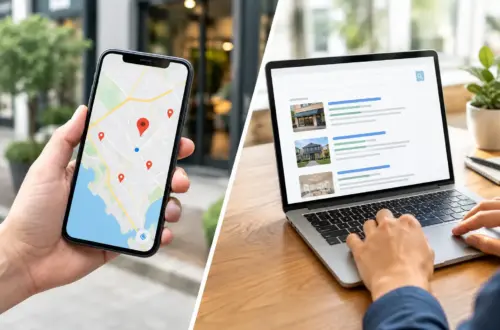
For most HVAC businesses, Google Maps is one of the strongest sources of inbound calls. Map results are visible on mobile, show reviews and business hours, and let a customer call with one tap.
Your Google Business Profile needs to be complete and accurate. Use your real business name, correct service area, current phone number, business hours, and service categories. Add photos of your technicians, trucks, completed installs, and team. These details help homeowners feel more comfortable calling a local company they have not used before.
Reviews matter, but only if they are recent and genuine. Build a simple review request process after completed jobs. Ask satisfied customers while the service experience is still fresh. A steady flow of reviews is better than asking for dozens at once and then stopping for six months.
Your website should support your map visibility with pages built around services and locations. An AC repair page for the city you serve gives Google and customers a clear answer to what you do. A vague page that says you provide “quality HVAC solutions” does not.
Do not create thin location pages for every nearby zip code. Build useful pages for the core cities and services that can actually bring in work. Each page should explain the service, common customer problems, your process, and how to schedule.
Focus on the services that create revenue
Not every HVAC search has equal value. Emergency AC repair, system replacement, heat pump installation, and maintenance agreements can all be valuable, but the best mix depends on your business capacity and margins.
If your crew is overloaded with repair calls but needs more replacement work, put more effort into replacement pages, financing information if available, and estimate requests. If you have openings for maintenance, make tune-up offers easy to find before seasonal demand hits. Marketing should support the jobs you want more of, not simply create more activity.
Make Your Website Convert the Call
Many HVAC websites look fine but make customers work too hard. The phone number is buried. The service area is unclear. The contact form asks too many questions. The page spends more time talking about the company than helping the homeowner make a decision.
Your site should answer the questions a customer has in the first few seconds: Do you serve my area? Do you handle my problem? Can I call or schedule now?
Put a clickable phone number in the header on mobile. Use a clear call to action such as “Schedule Service” or “Request an Estimate.” Keep forms short enough that someone with a broken AC will actually complete them. Name, phone, address or city, and a brief service need are usually enough to start.
Service pages should be specific. An AC repair page should discuss signs of a failing system, what your technician checks, and what happens after a customer calls. A replacement page should explain the estimate process and the factors that affect system recommendations. Clear information earns trust without overwhelming the reader.
Trust signals also belong near the action points. Include real customer reviews, license and insurance details where appropriate, years in business, service guarantees you can honor, and photos of your actual team. Avoid stock-photo-heavy pages that could belong to any contractor in any city.
Respond to Every Lead Fast
A lead is not booked revenue. It is a customer who may call the next company if they do not hear back.
If your office misses calls while technicians are in the field, use call routing, an answering process, or a missed-call text response. A simple message confirming that you received their request and will call shortly can prevent a lead from going cold.
Website forms need the same attention. Send an immediate confirmation, notify the right person on your team, and set a clear expectation for response time. If someone requests an estimate at 8:00 p.m., they should not wait until the following afternoon wondering whether anyone saw it.
Automation can help with the repetitive parts. It can route leads, send confirmations, remind staff to follow up, and request reviews after jobs are completed. It should not replace a real person when a homeowner needs an urgent answer. Use automation to make your team faster and more consistent.
Track the numbers that show whether marketing is working
You do not need a complicated dashboard. You do need to know where calls and form submissions come from, which services generate leads, and how many leads become booked jobs.
Track calls from Google Business Profile, organic search, paid search if you use it, and direct website visits. Review recordings or call notes when possible. Some calls are vendors, wrong numbers, or customers outside your service area. Knowing the difference helps you judge lead quality instead of reacting to a raw call count.
Also look at response time and booking rate. If you receive 40 qualified leads but only book 15, the issue may be your follow-up process rather than your rankings. Fixing that gap can create more revenue without spending more to generate leads.
Use Paid Search Carefully When You Need Leads Faster
Google Ads can help an HVAC business generate calls quickly, especially during peak weather or when organic rankings are still growing. But it needs tight controls. Broad targeting and vague ads can burn through budget on searches that do not turn into service work.
Focus on high-intent service searches in your actual service area. Send each ad to a relevant page, not your homepage. An AC repair ad should lead to AC repair information and a fast way to call. Track booked jobs, not just clicks.
Paid search is useful when you need faster volume. Local SEO is usually the better long-term asset because strong map and organic visibility can keep producing leads after the monthly work is done. Many HVAC companies benefit from both, but the right balance depends on demand, seasonality, and how quickly you need results.
Build a System, Not a One-Time Campaign
The best HVAC marketing is consistent because the business behind it is consistent. Your business information stays accurate. New reviews come in every month. Service pages improve over time. Leads are answered quickly. Results are checked, and weak points get fixed.
That is more effective than changing your logo, posting constantly, or chasing every new marketing trend. Homeowners need proof that you are nearby, responsive, and capable of solving the problem in front of them.
If your company already does good work, the next opportunity is making sure local customers can find you and reach you before they call someone else. Every missed search and missed call is a service job that was available, but not captured.


You May Also Like

How to Build Local Service Pages That Get Calls

How to Optimize Service Pages for More Calls