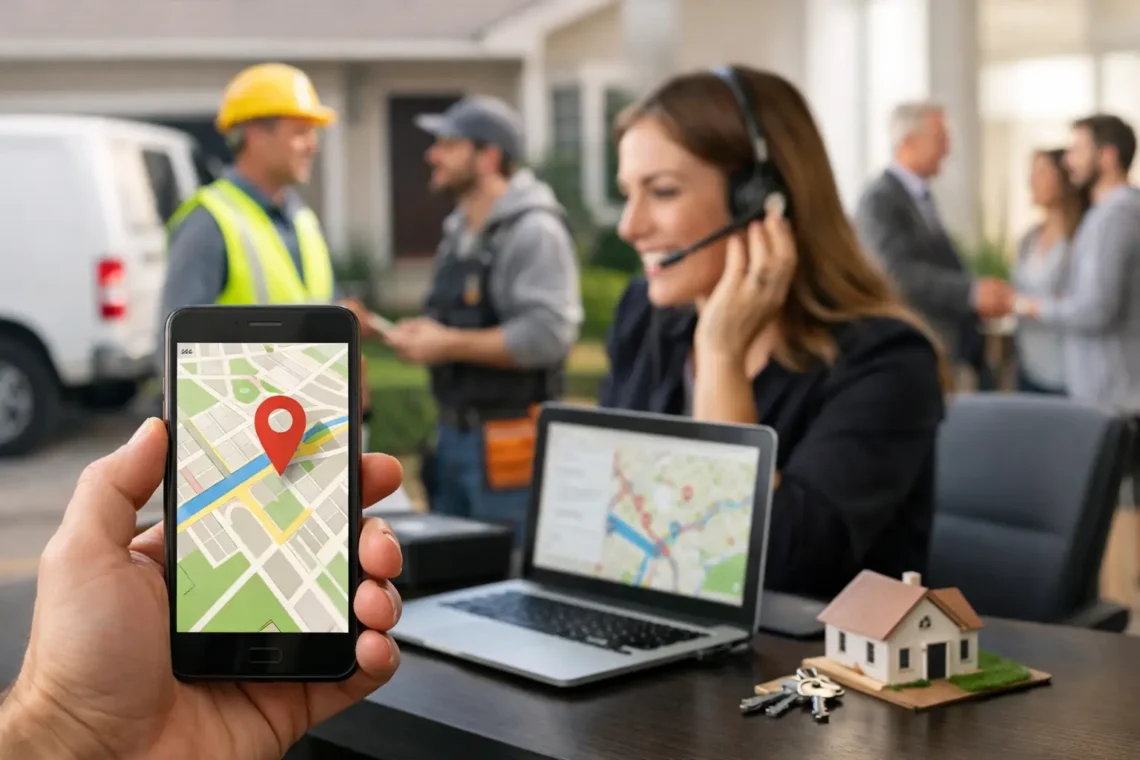
Local SEO Services That Bring More Calls
When someone searches “AC repair near me” or “plumber in Tampa,” they are not researching for fun. They need help now. Local SEO services put your business in front of those ready-to-call customers before they find another company.
For a service business, visibility only matters when it turns into phone calls, form submissions, and booked jobs. That is the standard. More website traffic is not enough if the phone stays quiet.
What local SEO services should actually do
Local SEO is the work that helps your business appear in Google Maps and local organic search results when people search for your service in your area. It is built around high-intent searches such as “roof repair Tampa,” “emergency plumber near me,” or “chiropractor in Clearwater.”
The goal is simple: be easy to find when local customers are ready to hire.
A proper local SEO plan does not chase broad, low-value searches. Ranking for “how does an air conditioner work” might bring visitors, but it will not reliably bring repair calls. A stronger plan targets the services you sell, the cities you serve, and the questions people ask right before they contact a business.
For most small businesses, the work comes down to four connected areas: your Google Business Profile, your website, your local trust signals, and your lead follow-up process. If one of those is weak, you can lose leads even when your rankings improve.
Google Maps is often the fastest opportunity
The Google Maps results are where many local service calls begin. A customer searches, sees three nearby businesses, checks reviews, and calls one. If your profile is incomplete, inaccurate, or rarely updated, Google has less reason to show it prominently.
Your Google Business Profile needs more than a business name, address, and phone number. It should clearly state your primary service, include the right service categories, cover your real service areas, and use a complete description that explains what you do. Your hours, website, photos, services, and contact details must be current.
Reviews also matter. Not because you need hundreds overnight, but because customers and Google both look for recent proof that you are active and trusted. A steady review process is better than asking for a batch of reviews once a year. After a successful job, make the request simple and timely.
Review responses are worth doing, too. Keep them brief, professional, and specific to the job when appropriate. They show prospective customers that a real business is paying attention.
Common Google Business Profile problems
Many businesses leave easy wins on the table. They choose the wrong primary category, list services vaguely, use an old phone number, or set their service area too broadly. Others create duplicate profiles or use a virtual address that does not meet Google’s rules. Those shortcuts can lead to lost visibility or a suspended listing.
Photos are another missed opportunity. Use real images of your team, trucks, completed work, office, or service process. Stock photos rarely build trust. A homeowner looking for a roofer or HVAC company wants signs that you are legitimate, local, and ready to do the work.
Your website has to convert the search
A Google Maps listing can get the call directly, but many customers will visit your website first. If the site is slow, confusing, or vague, ranking well will not produce the lead volume you expect.
A conversion-focused local website answers a few questions quickly: What do you do? Where do you work? Why should the customer trust you? How can they contact you now?
Each core service should have its own useful page. An HVAC company should not bury AC repair, heating repair, maintenance, and installation on one generic page. A plumbing company should not expect a single “services” page to rank for drain cleaning, water heaters, leak detection, and emergency plumbing.
Service pages should describe the actual job, common customer problems, the areas you serve, and the next step. Put your phone number and booking option where customers can find them without hunting. Mobile matters most because many local searches happen from a phone, often during a stressful moment.
Location pages can help when they are built honestly. If you serve Tampa, St. Petersburg, Brandon, and Clearwater, create pages that explain the service in those markets. Do not copy the same paragraph, swap the city name, and expect strong results. Google and customers can spot thin pages quickly.
Build local proof Google can verify
Google looks for consistency. Your business name, phone number, website, address or service area, and business details should match across the places where your company is listed. Conflicting information makes it harder for Google to trust what is accurate.
Local SEO services should also strengthen the proof behind your business. That can include accurate business listings, locally relevant website content, real project photos, customer reviews, and clear service-area information.
This is not about putting your business on every directory possible. Low-quality listings do not create demand. The priority is accuracy on the sources that customers and search engines actually use, then building a website that gives Google a clear reason to rank you for your services.
For businesses with a physical office, address details need extra care. For businesses that travel to customers, such as plumbers, electricians, and roofers, service-area setup needs to follow Google’s guidelines. The right approach depends on how customers interact with your business.
Local SEO takes execution, not guesswork
Some improvements can affect lead flow quickly. Fixing a broken Google Business Profile, adding missing service details, improving a weak call-to-action, or correcting a wrong phone number can make an immediate difference.
Organic rankings usually take longer. Google needs time to crawl your site, process changes, compare your business with local alternatives, and see consistent trust signals. The timeline depends on your market, your current website, your review profile, and how competitive your service area is.
That is why a good plan starts with the highest-impact problems first. There is little value in publishing dozens of pages if your Google Business Profile is incomplete or your website does not make it easy to call. There is also little value in getting more traffic if nobody responds to leads quickly.
A practical local SEO process should include regular checks of rankings for service-and-city searches, Google Maps visibility, call volume, form submissions, and booked appointments. Rankings are useful, but leads are the real measure.
Do not let new leads go cold
Local SEO can generate the opportunity. Your response process determines whether you win the job.
A missed call from an emergency plumbing customer may be a lost job within minutes. A form submission that sits unanswered until tomorrow may go to the company that called back first. This is especially true for home services, dental offices, and real estate professionals where urgency and trust drive decisions.
Set up a simple process for every lead. Calls should route to someone who can answer or return them quickly. Forms should trigger an immediate confirmation and notify the right person. If you miss a call, follow up by text when appropriate. Keep track of which leads booked, which did not, and why.
This is where local SEO and lead systems work together. Better rankings create more chances. Fast, organized follow-up turns those chances into revenue.
What to expect from the right partner
You do not need a long marketing presentation full of vanity metrics. You need clear priorities, work that matches your service area, and reporting tied to business outcomes.
The right local SEO partner should explain what is being fixed, what pages are being built or improved, how your Google Business Profile is being managed, and what results are being measured. You should be able to understand the plan without learning marketing jargon.
Be cautious of anyone who guarantees a specific Google ranking. No one controls Google’s results. A better promise is consistent, focused work around the factors that help local businesses earn visibility and leads.
SparkHive approaches local search with that practical standard: target the searches that show buying intent, improve the path from search to contact, and measure whether the work is producing more opportunities for the business.
The next customer searching for your service is already choosing between a few local options. Make sure your Google presence, website, and follow-up process give them a clear reason to choose yours.

You May Also Like
7 Best AI Tools Plumbers Can Use for More Calls

Orlando Local SEO for Dentists That Brings Calls