Google Maps or SEO: Which Gets More Leads?
If you run a local service business, this question comes up fast: google maps or seo? Most owners are not asking because they want a marketing lesson. They want more calls, more booked jobs, and less guesswork. That is the right way to look at it.
For a related guide, see our article on Google Business Profile Guide for More Leads.
The short answer is this: if you need leads sooner, Google Maps usually deserves attention first. If you want steadier growth over time, SEO matters just as much. For most small businesses, it is not really Google Maps versus SEO. It is which one should lead, and how the two work together.
Google Maps or SEO: What is the real difference?
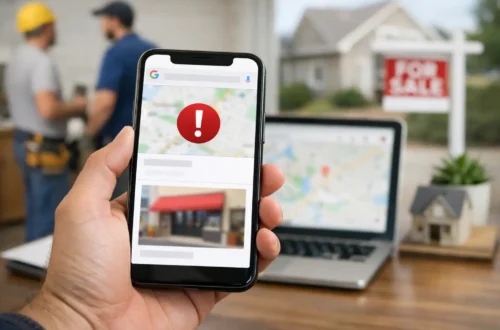
Google Maps is the local map pack that shows business listings near the top of search results. It includes your Google Business Profile, reviews, service categories, photos, business hours, and location signals. When someone searches for terms like plumber near me or roofer in Tampa, the map pack often gets the first clicks.
SEO usually means your organic website rankings below the map pack. These are the regular search results that lead people to service pages, city pages, blog content, and your main website. Good SEO helps you show up for searches like emergency AC repair Tampa, dental implants near me, or water heater installation cost.
Both can generate leads. They do it in different ways.
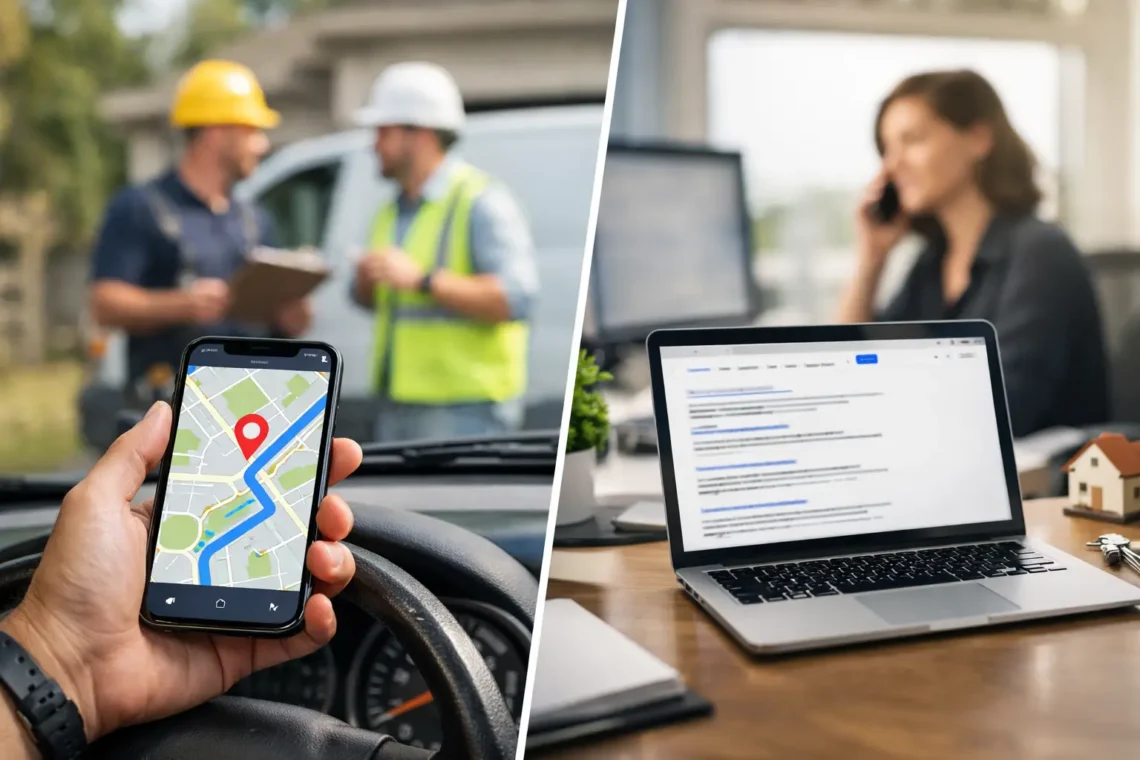
Google Maps captures high-intent local searches quickly. People using the map pack are often ready to call now. SEO builds broader visibility and gives you more control over what searchers see before they contact you.
When Google Maps should come first
If your business depends on local calls and appointments, Maps is often the fastest path to more inbound leads. That is especially true for HVAC companies, plumbers, roofers, dentists, chiropractors, and real estate professionals who serve a specific area.
Why? Because the map pack takes up prime space. On a phone, it can stand out in the screen. A customer searching for urgent help may never scroll to your website if three local listings already appear.
A strong Google Business Profile can produce results without a massive website. If your listing is properly set up, your categories are correct, your reviews are active, and your service areas are clear, you can start pulling in calls from people who are ready to hire.
This matters even more if your current website is weak. A lot of small businesses have a site that looks fine but does not rank, does not convert, and does not clearly explain services. In that case, improving Maps can create momentum while the rest gets fixed.
Signs you should prioritize Maps first
You should usually start with Google Maps if most of these sound familiar:
- You want phone calls fast
- You serve customers in a clear local radius
- Your business already has some reviews or can get more quickly
- You do not rank well organically yet
- A large share of your jobs comes from urgent or same-day needs
For a local plumber or locksmith, Maps can outperform traditional organic SEO in the short term. For a cosmetic dentist or custom home builder, SEO may still matter heavily because customers research more before choosing.
When SEO should come first
SEO deserves the first push when your customers need more information before they contact you. That includes services with higher cost, longer decision cycles, or multiple service options.
A website can rank for a wider range of terms than a Google Business Profile alone. It can also answer questions, show proof, explain services, and guide someone to call or fill out a form. If you want to rank in multiple cities, show up for dozens of service keywords, or build authority over time, SEO gives you more room to grow.
SEO also protects you from relying too heavily on one platform. Your Google Business Profile matters, but you do not fully control it. Rankings can shift. Suspensions happen. Listing issues happen. A strong website gives your business a second engine for leads.
SEO matters more when buyers compare options
If a customer is likely to compare providers, your site needs to do real work. They want to know what you do, where you work, why they should trust you, and what the next step looks like. Organic pages can do that better than a small business listing.
For example, a roofing company might show up in Maps for roof repair near me. That is valuable. But a homeowner searching for metal roof replacement in Orlando, storm damage roof insurance help, or flat roof contractor for commercial property is often going to need more detail. SEO helps you rank for those searches and convert them with the right page.
The best answer is usually both, but not equally
A lot of business owners hear that and assume they need a huge marketing plan. They do not. They need the right order.
For most local service businesses, the practical order looks like this: fix and optimize Google Business Profile first, make sure your website can convert traffic second, then build SEO around your service and city terms.
That order works because it matches buying intent. Maps often catches people who are ready now. Your website then closes the gap by giving them confidence. SEO expands your reach so you are not only visible for one type of search.
This is where many campaigns fail. A business invests in rankings but sends traffic to a weak site. Or they focus only on Maps and ignore the website, which limits growth and trust. You need both pieces connected.
How Google Maps and SEO support each other
This is not two separate systems. They overlap.
A well-built website helps your Google Business Profile perform better because it strengthens your local relevance. Clear service pages, city pages, consistent contact information, and strong local signals all support visibility.
At the same time, a strong Google Business Profile can improve the quality of traffic reaching your site. People who click through from Maps often already trust the business more because they saw reviews, photos, and location details first.
Reviews also play a bigger role than many owners realize. Reviews influence map rankings, click-through rates, and conversions. They do not replace SEO, but they support lead generation in a way that pure rankings cannot.
What small business owners should do first
If you are deciding where to spend your next marketing dollar, start with the areas that affect leads fastest.
First, claim and fully optimize your Google Business Profile. Make sure the business name, category, services, hours, phone number, and service area are accurate. Add real photos. Ask for reviews consistently. Keep it active.
Second, make sure your website has strong service pages and clear calls to action. If someone lands on your site, they should know within seconds what you do, where you work, and how to contact you.
Third, build local SEO around the keywords that bring buying intent, not vanity traffic. A term like AC repair Tampa is worth more than a broad term with weak intent. The same goes for searches tied to emergency service, repairs, replacements, and quote requests.
Fourth, track calls, forms, and booked appointments. Rankings are not the goal. Leads are.
Google Maps or SEO for your business type
There is no one-size-fits-all answer.
For emergency and fast-response services like plumbing, towing, locksmith work, and HVAC repair, Google Maps often has the edge early. Searchers want someone nearby and available.
For businesses with larger jobs or longer decisions like roofing, remodeling, real estate, and higher-ticket dental work, SEO usually deserves more attention alongside Maps. Those customers compare more, read more, and often visit multiple pages before they reach out.
For businesses trying to grow across several nearby cities, SEO becomes even more important. A single listing can only do so much. Your website is what helps you expand your footprint without depending only on one local pin on the map.
If you are a small business owner and this still feels like a choice between speed and stability, that is because it is. Google Maps can help you win faster. SEO helps you build something that lasts. The best move is to start where lead intent is strongest, then build the second channel before the first one hits a ceiling.
If your phone is too quiet, start with the piece closest to the call.
Related resources for Tampa Bay business owners


You May Also Like
How Local Business Citations Get Your Phone to Ring
Real Estate Google Business Profile That Gets Leads