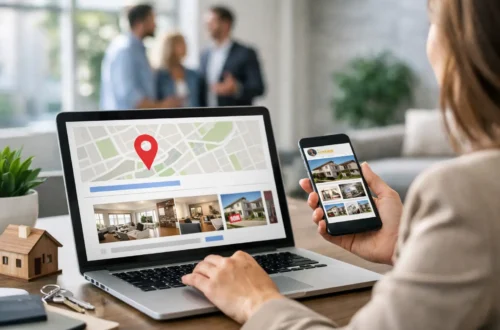
Google Ads vs SEO for Local Leads
If you need more calls this month, the google ads vs seo question is not academic. It affects how fast your phone rings, how much you pay for each lead, and whether your growth is stable or shaky.
For a related guide, see our article on Facebook Ads vs Local SEO for Leads.
For most local service businesses, this is not an either-or decision forever. It is a timing and cash flow decision first. Google Ads can put you at the top of search results fast. SEO takes longer, but it can lower your cost per lead over time and build a stronger lead flow that does not disappear the second you stop spending.
Google Ads vs SEO: the real difference
Google Ads is paid placement. You bid on searches like “roof repair near me” or “plumber in Tampa” and your business can show up quickly. If your campaign is set up well, you can start getting calls and form submissions within days.
SEO is the process of improving your website and local presence so you rank in the organic results and Google Maps. That includes your Google Business Profile, service pages, city pages, website speed, content, reviews, and overall trust signals. SEO is slower at the start, but it keeps working after the initial push.
The biggest difference is simple. Ads rent attention. SEO builds an asset.
That does not mean SEO is always better. If you need leads now and your calendar has gaps, waiting three to six months for rankings to improve may not be realistic. On the other hand, if you rely only on ads, your lead flow can stop the moment your budget gets cut or your campaign has issues.
When Google Ads makes more sense
Google Ads is usually the better first move when speed matters most. If you have a newer business, a weak website, little search visibility, or a slow season that needs fixing fast, ads can help fill the gap.
This works especially well for high-intent searches. Someone looking for “emergency plumber,” “AC repair,” or “same day dentist appointment” is not browsing. They need help now. A strong ad, a tight landing page, and a clear call button can turn that search into a booked job quickly.
Ads also give you more control. You can target specific services, zip codes, and hours. If one service brings better jobs than another, you can shift budget fast. That makes ads useful for testing demand before investing deeper into SEO for certain services or locations.
But there are trade-offs. The lead cost can rise fast in competitive markets. Bad setup wastes money. Broad keywords, weak landing pages, poor call handling, and no follow-up system can burn through budget without much to show for it.
That is why Google Ads is not just about traffic. It only works when the full path is tight. The search term, ad copy, page, offer, and follow-up all need to match.
When SEO makes more sense
SEO makes more sense when you want lead flow that gets stronger over time. For local businesses, that often means showing up in Google Maps and organic search when people look for your service in your city.
If you are a roofer, chiropractor, realtor, or HVAC company, ranking for high-intent local searches can bring steady inbound leads without paying for every click. A well-optimized Google Business Profile can drive calls directly. Strong service pages can bring in people who want to compare options before they choose.
SEO also tends to build trust differently. Many searchers skip ads and go straight to Maps or the organic results. Reviews, proximity, and a solid website matter here. If your business appears consistently across those places, you often look more established.
The downside is speed. SEO usually does not fix a short-term lead problem. If your site is weak, your profile is not optimized, or your market is competitive, it can take time to move. It also takes ongoing work. Rankings are not permanent just because you published a few pages.
Still, for many local businesses, SEO becomes the better long-term play because it reduces dependency on ad spend. Once you build visibility in Maps and organic search, each new lead does not carry the same direct cost as a paid click.
Google Ads vs SEO for local businesses
For small local businesses, the right answer usually depends on three things: urgency, competition, and conversion readiness.
If you need leads this month, ads usually win. If you want lower long-term lead costs, SEO usually wins. If your website is weak and nobody answers the phone well, neither channel will perform the way it should.
That last point gets missed all the time. Business owners ask whether they should invest in traffic, but the bigger problem is often conversion. If your site is slow, your contact form is clunky, or calls go unanswered, adding more visitors just means wasting more opportunity.
A plumbing company with a clean service page, click-to-call buttons, and fast response times can often do well with ads right away. A roofing company with strong reviews, a solid Google Business Profile, and good city pages may get more durable results from SEO. A dental office trying to fill appointment slots fast might use ads now while building local SEO in the background.
This is why cookie-cutter advice fails. The right channel depends on how ready your business is to turn attention into booked work.
The smartest approach is often both
For many service businesses, the best move is not choosing one forever. It is using each channel for what it does best.
Run Google Ads to generate leads now. Build SEO so you are not stuck paying for every lead later.
This approach works well because ads can cover the short-term while SEO compounds in the background. You can target your highest-value services with ads, then strengthen your local presence with Google Business Profile optimization, service pages, review generation, and location relevance.
Over time, you may find that certain searches perform better through ads and others through SEO. Emergency services often convert well from paid search because urgency is high. Research-heavy services may benefit more from strong organic visibility because people compare businesses before reaching out.
The mix can also shift by season. HVAC companies may push ads harder during peak weather swings, while continuing SEO all year to grow map visibility and organic rankings.
How to decide what to do first
Start with your goal. If your main problem is an empty pipeline, start with Google Ads. If your business gets some leads already but you want more stability and lower dependence on referrals or paid clicks, start building SEO harder.
Then look at your foundation. If your website does not clearly explain your services, your pages are thin, or your Google Business Profile is incomplete, SEO will struggle. If your landing pages are weak and your intake process is messy, ads will struggle.
A simple way to think about it is this:
If you need speed, choose ads.
If you need staying power, choose SEO.
If you need both, build both in the right order.
That order matters. For many small businesses, the practical sequence is to get a conversion-focused website in place, launch tightly targeted ads for high-intent searches, and build local SEO at the same time. That gives you a chance at short-term lead flow without ignoring the long game.
Common mistakes that waste money
One common mistake is sending paid traffic to a generic homepage. People searching for a specific service want a specific page. If they searched for drain cleaning, they should land on a drain cleaning page, not a broad site overview.
Another mistake is expecting SEO to work without local relevance. You need strong service pages, city relevance where appropriate, reviews, and a properly optimized Google Business Profile. Local SEO is not just adding a few keywords to a title tag.
A third mistake is judging performance too early or too loosely. Ads can generate clicks that do not turn into real jobs if targeting is off. SEO can show ranking improvements before call volume follows. You need to track calls, forms, and booked appointments, not just traffic.
And finally, many businesses ignore follow-up. If web leads sit untouched for hours, or calls roll to voicemail during business hours, the problem is not Google Ads vs SEO. It is lead handling.
What usually wins for service businesses
If you own a local service business, the best answer is usually this: use Google Ads for immediate demand capture and SEO for long-term lead stability.
That does not sound flashy, but it is what works. Local growth usually comes from showing up when people are ready to hire, making it easy to contact you, and following up fast.
If you only want one channel right now, choose the one that matches your current bottleneck. Need leads now? Ads. Need more consistent inbound visibility? SEO. Need both? Build a system that does not rely on luck.
A good marketing channel should make your business easier to grow, not harder to manage. Pick the one that solves the problem in front of you first, then build the next layer before the first one becomes a crutch.
Related resources for Tampa Bay business owners


You May Also Like
HVAC Local SEO Checklist That Gets Calls
Google Business Profile Guide for More Leads