Reputation Management for Local Businesses
A bad review usually does not hurt a local business. A pattern does.
For a related guide, see our article on Stop Wasting Money on Social Media: A Guide to Getting Actual Leads for Your Service Business.
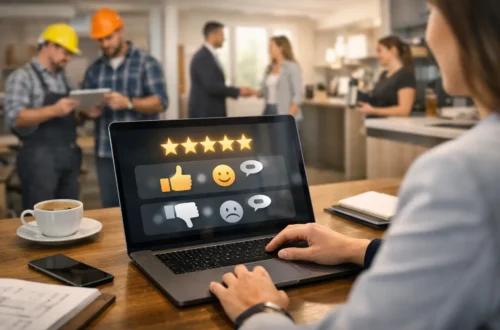
That is why reputation management for local businesses is not about protecting your ego. It is about protecting your lead flow. When someone searches for a plumber, dentist, roofer, or chiropractor, they are not reading your life story. They are scanning your Google reviews, your rating, your recent responses, and whether your business feels trustworthy enough to call.
If your reputation looks weak, inconsistent, or neglected, you will lose jobs to a competitor with fewer years in business but better public proof.
Why reputation management for local businesses affects leads
For most service businesses, reputation shows up before your sales process does. People see your Google Business Profile, review rating, photos, and recent feedback before they visit your site or call your office. That first impression shapes whether they trust you.
It also affects visibility. Strong review signals can support local search performance, especially on Google Maps. Reviews alone will not carry your rankings, but they help. More importantly, they improve click-through rates and calls once you do show up.
This is where many owners get stuck. They think reputation management means dealing with occasional bad feedback. It is bigger than that. It includes getting more quality reviews, responding well, fixing operational issues that create complaints, and making sure your online presence matches the service people actually get.
If you want more booked jobs, your reputation cannot be passive.
What actually shapes your local reputation
Most business owners focus only on star ratings. That matters, but customers look at more than the number.
They notice how recent your reviews are. Twenty great reviews from two years ago do not feel as strong as five solid reviews from the last month. They notice review quality too. Short comments like “good job” help less than reviews that mention the service, the problem solved, and the area served.
They also look at your responses. If a customer leaves a complaint and it sits there unanswered, people assume the issue is real and unresolved. If you respond quickly, stay calm, and explain the next step, you show that your business is active and accountable.
Then there is consistency. If your reviews praise your technician but your website looks outdated, your phone goes unanswered, or your Google Business Profile has the wrong hours, trust drops fast. Reputation is not just what people say about you. It is whether your online presence backs it up.
The biggest mistakes local businesses make
The first mistake is waiting until there is a problem. If you only think about reviews after a one-star complaint, you are already behind. Good reputation management is ongoing. It should be built into your job completion process, not treated like damage control.
The second mistake is asking for reviews in a vague way. Saying “leave us a review if you can” is too weak. People are busy. If you want reviews, you need a simple system. Ask at the right moment, send a direct link, and follow up once if needed.
The third mistake is arguing with unhappy customers in public. Even if you are right, a defensive response usually makes the situation worse. Future customers are judging your tone as much as the original complaint.
Another common issue is chasing volume without quality. Fifty low-detail reviews are less persuasive than a steady stream of real, specific feedback. You want honest reviews that mention the actual service provided.
How to build a review system that works
The easiest reviews to get come right after a successful job. That is when the customer is relieved, happy, and still thinking about your business. If you wait three days, your chances drop.
Start by choosing one primary review source. For most local service businesses, that is Google. It is where people already search, compare, and decide. Make sure your Google Business Profile is fully set up, accurate, and easy to find.
Next, build the ask into your workflow. When the job is done and the customer is clearly satisfied, ask in person or by phone. Keep it simple. Thank them, say reviews help your business, and let them know you will text or email a direct link.
Your follow-up message should be short. Do not write a speech. One clear sentence and the link is enough. If they do not respond, send one reminder. Not three.
This process works best when one person owns it. If everyone is “kind of responsible,” no one does it consistently. Whether it is your office manager, technician, or front desk, make it part of the job.
How to respond to reviews without making it awkward
Good review responses do two things. They acknowledge the customer and signal professionalism to the next person reading.
For positive reviews, thank the customer, mention the service, and keep it natural. You do not need a long template. A few specific words are better than the same copy pasted 40 times.
For negative reviews, slow down before replying. Check what happened. If the complaint is valid, own the issue and offer a path to fix it. If the review is unfair or misleading, stay calm and professional. Do not unload your side of the story in public.
A solid response usually includes three parts: acknowledgment, concern, and next step. Thank them for the feedback, say you take the issue seriously, and invite them to continue the conversation offline. That shows future customers that you handle problems like an adult.
Not every bad review should trigger panic. A business with only perfect reviews can even look suspicious. A few mixed reviews are normal. What matters is the pattern and how you respond.
Reputation problems usually start before the review
If you keep getting the same complaints, this is no longer a marketing issue. It is an operations issue.
Late arrivals, missed calls, poor follow-up, surprise charges, and sloppy communication create bad reviews long before a customer opens Google. The fix is not just asking for more five-star reviews to bury the bad ones. The fix is tightening the customer experience.
For example, if customers complain that no one answers the phone, you may need better lead routing or follow-up automation. If they say your team was hard to schedule with, your booking process may be the problem. If they feel confused about what was included, your estimate process may need work.
This is where reputation management connects directly to revenue. Better systems create better customer experiences. Better experiences create better reviews. Better reviews create more calls.
Where local businesses should focus first
If your time is limited, focus on the places that influence buying decisions fastest.
Start with your Google Business Profile. Make sure your business name, phone number, hours, services, and service areas are accurate. Add current photos. Review your last ten customer reviews and respond to all of them.
Then look at your website. If people click through from Google and land on a site that looks outdated or hard to use on mobile, trust drops. Your reviews may get the click, but your website helps close the lead.
Finally, fix your follow-up. A strong reputation gets more people to contact you, but slow response times will waste that opportunity. If leads are coming in after hours or during busy periods, having a basic system in place matters. This is one reason businesses working with teams like SparkHive often see better results – reputation, visibility, and lead handling work better when they are connected.
What success actually looks like
Good reputation management does not mean obsessing over every comment. It means your business creates enough positive proof that one bad day does not define you.
You should see recent reviews coming in consistently. Your rating should stay healthy. Your responses should show that you are active and professional. And most importantly, your online reputation should support the real goal: more qualified calls, more form submissions, and more booked jobs.
If your business depends on local trust, reputation is not a side task. It is part of sales.
Treat every completed job as a chance to strengthen it. A few simple systems, handled consistently, will do more for growth than another month of hoping referrals carry the load.
The businesses that win locally are usually not the flashiest. They are the ones that look trustworthy the moment a customer finds them.
Related resources for Tampa Bay business owners


You May Also Like
How to Improve Local Rankings Fast

What a Small Business Marketing Agency Does