Website Design: Ultimate Guide to Stunning Sites
 [
[
For a related guide, see our article on The Beginner’s Guide to Website Design Best Practices.
For Tampa Bay business owners exploring this topic, see our Web design for Tampa service businesses services.
AI Quick Answer: Website design is the process of creating a website, encompassing visual appearance, user experience, and functionality. Effective website design is crucial for attracting and retaining visitors, conveying brand identity, and achieving business goals online.
-
Search Intent:
The primary search intent for "website design" is informational. Users are looking to understand what website design entails, its importance, the process involved, key elements, and how to achieve a successful design. They may also be seeking inspiration or guidance for their own website projects. -
Title Optimization:
- Website Design: The Ultimate Guide to Creating a Stunning & High-Performing Site
- Unlock Your Online Potential: Essential Website Design Principles for Success
- From Concept to Launch: A Comprehensive Website Design Blueprint
- Why Great Website Design Matters: Boost Conversions & Brand Authority
- The Art & Science of Website Design: Tips for a User-Friendly Experience
-
Recommended Article Length:
2000-3000 words. -
Key Takeaways Section:
- Website design is more than just aesthetics; it's about user experience, functionality, and achieving business objectives.
- A well-designed website builds trust, enhances brand credibility, and improves conversion rates.
- Key elements of effective website design include user-friendly navigation, responsive layouts, clear calls-to-action, and compelling content.
- Understanding your target audience and their needs is fundamental to creating a successful website design.
- The website design process typically involves planning, wireframing, visual design, development, and testing.
- Prioritizing mobile-first design and accessibility ensures your website reaches a wider audience and provides a positive experience for all users.
-
Complete Blog Structure:
Website Design: The Ultimate Guide to Creating a Stunning & High-Performing Site
Introduction
- Hook: The digital storefront of your business.
- Define website design: What it is and why it's critical in today's digital landscape.
- Importance: Impact on user experience, brand perception, conversions, and SEO.
- What readers will learn: A comprehensive understanding of website design principles, process, and best practices.
Key Takeaways
- [Bullet points from section 4]
What is Website Design?
Beyond Aesthetics: The Multifaceted Nature of Web Design
The Core Components: UI, UX, and Visual Design
The Role of Functionality and Performance
Why Great Website Design Matters
Building Trust and Credibility
Enhancing User Experience (UX)
Driving Conversions and Sales
Improving Search Engine Rankings (SEO)
Strengthening Brand Identity and Recognition
The Website Design Process: A Step-by-Step Blueprint
Phase 1: Discovery & Planning
Defining Goals and Objectives
Understanding the Target Audience
Competitor Analysis
Phase 2: Wireframing & Prototyping
Information Architecture and Site Mapping
Creating Low-Fidelity Wireframes
Developing Interactive Prototypes
Phase 3: Visual Design & Branding
Color Palettes and Typography
Imagery and Graphics
User Interface (UI) Design Elements
Phase 4: Development & Implementation
Front-end Development (HTML, CSS, JavaScript)
Back-end Development (Server-side logic, Databases)
Content Integration
Phase 5: Testing & Launch
Usability Testing
Cross-Browser and Device Compatibility Testing
Performance Optimization and Security Checks
Go-Live and Post-Launch Monitoring
Essential Elements of Effective Website Design
User-Centric Navigation
Responsive and Mobile-First Design
Clear Calls-to-Action (CTAs)
High-Quality Content and Imagery
Website Speed and Performance Optimization
Accessibility Standards (WCAG)
Search Engine Optimization (SEO) Integration
Comparison: Website Builders vs. Custom Design
Feature Website Builders (e.g., Wix, Squarespace) Custom Web Design (Agency/Freelancer) Cost Lower initial cost, subscription fees Higher initial investment Time to Launch Faster Slower, more involved Flexibility Limited customization, template-driven Highly customizable, unique Scalability Can be limited Highly scalable Technical Skill Minimal required Requires expertise SEO Potential Varies, can be good Optimized from the ground up Expert Tips for Superior Website Design
- Prioritize user journey mapping.
- Embrace white space for clarity.
- Use consistent branding elements.
- Optimize images for web.
- Implement clear and concise microcopy.
- Regularly update and refresh content.
Common Website Design Mistakes to Avoid
- Overcrowding the design.
- Poor navigation structure.
- Ignoring mobile users.
- Using low-quality images.
- Lack of clear CTAs.
- Neglecting website speed.
- Ignoring accessibility.
Frequently Asked Questions
- What is the average cost of website design?
- How long does it take to design a website?
- What is the difference between UI and UX design?
- Is responsive design still important?
- How can I make my website more user-friendly?
- What are the best tools for website design?
- How does website design impact SEO?
Conclusion
- Recap the importance of strategic website design.
- Reiterate key takeaways for creating a successful online presence.
- Call to action: Encourage readers to apply these principles or seek professional help.
-
Visual Content Plan:
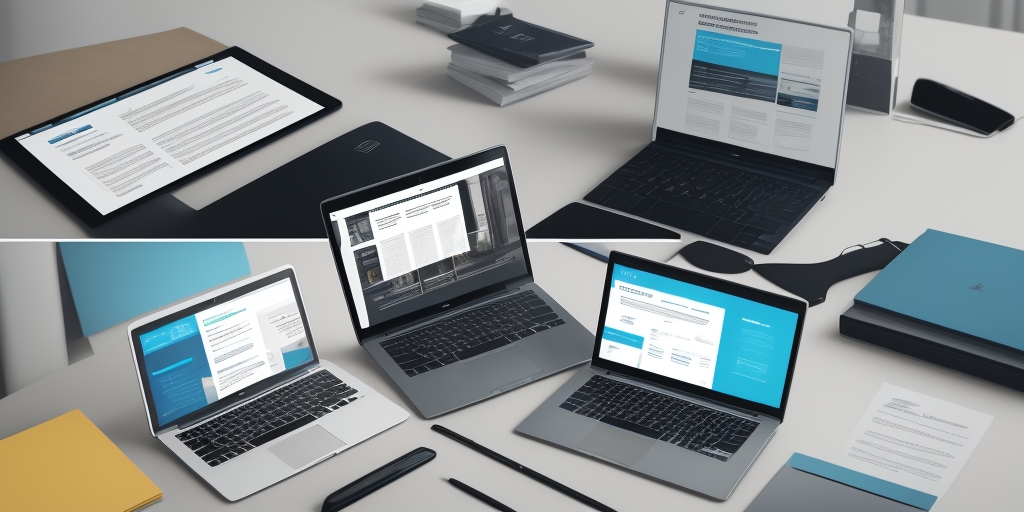
- Image 1: A clean, modern website interface on a laptop and mobile device, showcasing responsive design.
- Alt Text: Responsive website design showcasing a modern interface on laptop and mobile.
- Image 2: A flowchart or infographic illustrating the website design process from planning to launch.
- Alt Text: Infographic detailing the website design process steps: discovery, wireframing, design, development, testing, launch.
- Image 3: A split image showing a "before" (outdated, cluttered) and "after" (modern, user-friendly) website design.
- Alt Text: Before and after website design comparison highlighting improved user experience and aesthetics.
- Image 4: An icon-based graphic representing key website design elements like navigation, CTAs, and typography.
- Alt Text: Icons representing essential website design elements: navigation, call to action, typography, speed.
- Image 1: A clean, modern website interface on a laptop and mobile device, showcasing responsive design.
-
Internal Linking Strategy:
- [Link to article on "User Experience (UX) Design Principles"]
- [Link to article on "Search Engine Optimization (SEO) Best Practices"]
- [Link to article on "Choosing the Right Website Platform"]
- [Link to article on "Content Marketing Strategy for Websites"]
- [Link to article on "Mobile-First Web Development"]
- [Link to article on "Website Accessibility Guidelines"]# Website Design: The Ultimate Guide to Creating a Stunning & High-Performing Site
Introduction
In today's hyper-connected world, your website isn't just an online brochure; it's your digital storefront, your primary communication channel, and often the first impression potential customers have of your brand. Just as a physical store's curb appeal and interior layout influence customer perception and sales, your website's design dictates its effectiveness in attracting, engaging, and converting visitors.
But what exactly is website design? It's far more than just picking pretty colors and fonts. Website design is the strategic process of creating a website, encompassing its visual appearance, the overall user experience (UX), and its underlying functionality. It's about crafting a digital space that not only looks good but also performs flawlessly, guiding users effortlessly towards their goals and, by extension, your business objectives.
A well-designed website is critical for success in the digital age. It impacts everything from how users perceive your brand and their willingness to engage with your content, to your conversion rates and even your visibility in search engine results. Without a thoughtful approach to design, even the most innovative products or services can struggle to gain traction online.
In this comprehensive guide, you'll gain a deep understanding of website design principles, explore the step-by-step process from concept to launch, and discover best practices that will empower you to create a stunning, high-performing site that truly stands out. Whether you're a business owner, a budding designer, or simply curious about the digital landscape, prepare to unlock the secrets to a successful online presence.
Key Takeaways
- Website design is more than just aesthetics; it's about user experience, functionality, and achieving business objectives.
- A well-designed website builds trust, enhances brand credibility, and improves conversion rates.
- Key elements of effective website design include user-friendly navigation, responsive layouts, clear calls-to-action, and compelling content.
- Understanding your target audience and their needs is fundamental to creating a successful website design.
- The website design process typically involves planning, wireframing, visual design, development, and testing.
- Prioritizing mobile-first design and accessibility ensures your website reaches a wider audience and provides a positive experience for all users.
What is Website Design?
At its core, website design is the art and science of creating the visual and functional aspects of a website. It's about shaping the entire digital experience a user has when interacting with your online platform. This involves a blend of creativity, technical skill, and a deep understanding of human psychology and behavior.
Beyond Aesthetics: The Multifaceted Nature of Web Design
While visual appeal is undoubtedly a significant component, website design extends far beyond mere aesthetics. It's a holistic discipline that considers how a site looks, feels, and functions. A truly effective design is one that is not only beautiful but also intuitive, accessible, and efficient. It's about solving problems for users and achieving specific goals for the website owner. This means balancing creative expression with practical considerations like usability, performance, and search engine visibility.
The Core Components: UI, UX, and Visual Design
To fully grasp website design, it's essential to understand its three primary pillars:
- User Interface (UI) Design: This focuses on the look and feel of the website. UI designers are responsible for all the visual elements users interact with, such as buttons, icons, typography, color schemes, images, and overall layout. Their goal is to create an interface that is visually appealing, consistent, and easy to navigate. Think of UI as the car's dashboard – how it looks, where the buttons are, and how easy they are to read.
- User Experience (UX) Design: This delves into the overall experience a user has when interacting with the website. UX designers focus on making the site useful, usable, and enjoyable. They consider the entire user journey, from their initial entry to completing a desired action. This involves research, information architecture, interaction design, and usability testing. UX is about how easy and pleasant it is to drive the car – is the steering wheel comfortable, are the controls intuitive, does it get you where you need to go efficiently? (For a deeper dive, explore our article on [User Experience (UX) Design Principles]).
- Visual Design: Often used interchangeably with UI, visual design specifically refers to the aesthetic elements that contribute to the site's overall look. This includes graphic design, imagery selection, iconography, and ensuring brand consistency through visual elements. It's the artistic side that makes the website engaging and memorable.
The Role of Functionality and Performance
Beyond UI and UX, website design also heavily involves functionality and performance. A beautiful site that doesn't work or loads slowly will quickly frustrate users.
- Functionality refers to how the website operates. Can users submit forms? Does the search bar work? Are interactive elements responsive? This involves the underlying code and systems that make the site dynamic and interactive.
- Performance relates to the speed and efficiency of the website. How quickly do pages load? Is the site optimized for various devices and network speeds? A fast, smooth-running website is crucial for retaining visitors and improving search engine rankings.
Why Great Website Design Matters
In the crowded digital landscape, a well-designed website isn't a luxury; it's a necessity. It serves as the cornerstone of your online presence, influencing everything from first impressions to long-term customer loyalty.
Building Trust and Credibility
Imagine walking into a physical store that's messy, poorly lit, and difficult to navigate. You'd likely leave quickly, questioning the business's professionalism. The same applies online. A professional, polished, and user-friendly website instantly signals credibility and trustworthiness. It shows that you care about your brand and your customers, fostering confidence and encouraging engagement. Conversely, an outdated, broken, or confusing website can erode trust, making visitors doubt your legitimacy and expertise.
Enhancing User Experience (UX)
A great website design prioritizes the user. It anticipates their needs, provides clear pathways to information, and makes interactions seamless and enjoyable. An intuitive UX means visitors can easily find what they're looking for, complete tasks efficiently, and feel satisfied with their interaction. This positive experience leads to longer visit durations, lower bounce rates, and a higher likelihood of return visits and conversions. When users have a good experience, they associate those positive feelings with your brand.
Driving Conversions and Sales
Ultimately, most websites have a goal: to sell a product, generate a lead, encourage a sign-up, or provide information. Great website design is a powerful conversion engine. By strategically placing calls-to-action (CTAs), optimizing forms, simplifying checkout processes, and presenting information clearly, design directly influences whether a visitor completes the desired action. A confusing layout or a difficult-to-find "Buy Now" button can be the difference between a sale and a lost opportunity.
Improving Search Engine Rankings (SEO)
Search engines like Google prioritize websites that offer a good user experience. This means that elements of good website design are inherently linked to strong SEO. Factors such as mobile responsiveness, fast loading times, clear site structure, easy navigation, and high-quality content all contribute to better search engine rankings. A well-designed site is easier for search engine crawlers to understand and index, making it more visible to your target audience. (To learn more, check out our guide on [Search Engine Optimization (SEO) Best Practices]).
Strengthening Brand Identity and Recognition
Your website is a powerful extension of your brand. Consistent use of colors, typography, imagery, and tone of voice across your site reinforces your brand identity, making it more recognizable and memorable. A unique and cohesive design helps you stand out from competitors, communicate your brand's personality, and forge a stronger emotional connection with your audience. It's how you visually tell your brand's story.
The Website Design Process: A Step-by-Step Blueprint
Creating a successful website is a structured journey, not a spontaneous act. Following a well-defined process ensures that all critical aspects are addressed, leading to a robust, user-friendly, and goal-oriented final product.
Phase 1: Discovery & Planning
This foundational phase is all about understanding the "why" and "who" behind the website. It sets the strategic direction for the entire project.
Defining Goals and Objectives
What do you want your website to achieve? Is it to generate leads, sell products, provide information, build a community, or something else? Clear, measurable goals (e.g., "increase online sales by 20%," "reduce customer support calls by 15%") are crucial for guiding design decisions and measuring success.
Understanding the Target Audience
Who are you trying to reach? What are their demographics, psychographics, needs, pain points, and online behaviors? Creating user personas can help visualize your ideal visitors and tailor the design to their specific preferences and expectations. This audience-centric approach is fundamental to UX design.
Competitor Analysis
What are your competitors doing well? Where are their weaknesses? Analyzing their websites can provide valuable insights into industry best practices, design trends, and opportunities to differentiate your own site.
Phase 2: Wireframing & Prototyping
Once the strategic foundation is laid, it's time to start structuring the website's content and functionality.
Information Architecture and Site Mapping
This involves organizing the website's content in a logical and intuitive way. A site map visually represents the hierarchy of pages and how they connect, ensuring easy navigation. Information architecture focuses on how users will find information and complete tasks.
Creating Low-Fidelity Wireframes
Wireframes are skeletal blueprints of a webpage, focusing solely on layout, content placement, and functionality, without any visual design elements. They are like architectural drawings, showing where elements like headers, text blocks, images, and buttons will go. This allows for quick iteration and feedback on structure before investing in visual design.
Developing Interactive Prototypes
Prototypes take wireframes a step further by adding interactivity. They simulate the user experience, allowing stakeholders to click through pages, test navigation, and get a feel for the site's flow. This helps identify usability issues early in the process.
Phase 3: Visual Design & Branding
This is where the website starts to come to life visually, aligning with the brand's identity and aesthetic goals.
Color Palettes and Typography
Selecting the right colors and fonts is crucial for conveying brand personality and ensuring readability. Color psychology plays a role, as do font choices in establishing tone (e.g., modern, classic, playful). Consistency is key.
Imagery and Graphics
High-quality images, icons, and illustrations enhance visual appeal, break up text, and communicate messages effectively. They should be relevant, professional, and optimized for web performance.
User Interface (UI) Design Elements
This involves designing all interactive elements – buttons, forms, menus, sliders – to be intuitive, aesthetically pleasing, and consistent across the site. The goal is to create a seamless and engaging visual experience.
Phase 4: Development & Implementation
With the design approved, the technical build begins, transforming static designs into a functional website.
Front-end Development (HTML, CSS, JavaScript)
Front-end developers code everything users see and interact with in their browser. HTML structures the content, CSS styles it, and JavaScript adds interactivity and dynamic features.
Back-end Development (Server-side logic, Databases)
Back-end developers build the server-side of the website, handling data storage, user authentication, server logic, and integration with databases. This is the "engine" that powers dynamic websites.
Content Integration
Populating the website with actual text, images, videos, and other media is a critical step. Content should be optimized for both users and search engines.
Phase 5: Testing & Launch
Before going live, rigorous testing is essential to ensure the website is fully functional, secure, and provides an optimal user experience.
Usability Testing
Real users interact with the website to identify any areas of confusion, frustration, or difficulty. This feedback is invaluable for refining the design.
Cross-Browser and Device Compatibility Testing
The website must function correctly and look good across various web browsers (Chrome, Firefox, Safari, Edge) and devices (desktops, laptops, tablets, smartphones).
Performance Optimization and Security Checks
Ensuring fast loading times, optimizing images, and implementing security measures (like SSL certificates) are vital for user experience and protection.
Go-Live and Post-Launch Monitoring
Once all checks are complete, the website is launched! However, the work doesn't stop there. Continuous monitoring of performance, user behavior, and security is crucial for ongoing success.
Essential Elements of Effective Website Design
While the design process is complex, certain core elements consistently contribute to a website's success. Mastering these ensures a robust and user-friendly online presence.
User-Centric Navigation
Navigation is the roadmap of your website. It should be intuitive, consistent, and easy to understand, allowing users to find information quickly and effortlessly. Clear menus, breadcrumbs, search bars, and logical categorization are vital. A confused user is a lost user.
Responsive and Mobile-First Design
With the majority of internet traffic now coming from mobile devices, your website must be responsive. This means it automatically adjusts its layout and content to fit any screen size, from large desktop monitors to small smartphones. A mobile-first approach designs for the smallest screen first, then scales up, ensuring an optimal experience for all users. (For more, see our article on [Mobile-First Web Development]).
Clear Calls-to-Action (CTAs)
Every page should have a purpose, and CTAs are the signposts guiding users towards that purpose. Whether it's "Buy Now," "Sign Up," "Contact Us," or "Download Ebook," CTAs should be prominent, compelling, and clearly indicate the next step.
High-Quality Content and Imagery
Engaging, relevant, and well-written content is paramount. It informs, persuades, and builds trust. Complement this with high-resolution, professional imagery and videos that resonate with your brand and audience. Avoid stock photos that look generic or out of place.
Website Speed and Performance Optimization
Users expect websites to load instantly. Slow loading times lead to high bounce rates and negatively impact SEO. Optimize images, leverage browser caching, minimize code, and use a reliable hosting provider to ensure your site is lightning-fast.
Accessibility Standards (WCAG)
Designing for accessibility means ensuring your website can be used by everyone, including people with disabilities. This involves using appropriate color contrast, providing alt text for images, ensuring keyboard navigation, and structuring content logically. Adhering to Web Content Accessibility Guidelines (WCAG) not only broadens your audience but also often improves overall UX for all users. (Learn more about [Website Accessibility Guidelines]).
Search Engine Optimization (SEO) Integration
SEO isn't an afterthought; it's an integral part of website design. This includes using relevant keywords, creating a logical site structure, optimizing meta tags, ensuring fast loading speeds, and building a mobile-friendly site. A well-designed site is inherently more SEO-friendly.
Comparison: Website Builders vs. Custom Design
When embarking on a website project, one of the first decisions is how to build it. The two main paths are using a website builder or opting for custom design. Each has distinct advantages and disadvantages.
| Feature | Website Builders (e.g., Wix, Squarespace) | Custom Web Design (Agency/Freelancer) |
|---|---|---|
| Cost | Lower initial cost, subscription fees (e.g., $10-$50/month) | Higher initial investment (e.g., $2,000-$20,000+) |
| Time to Launch | Faster (days to weeks) | Slower, more involved (weeks to months) |
| Flexibility | Limited customization, template-driven, "drag-and-drop" interfaces | Highly customizable, unique design and functionality tailored to exact needs |
| Scalability | Can be limited by platform features and integrations | Highly scalable, can grow with your business and integrate complex features |
| Technical Skill | Minimal required, user-friendly interfaces | Requires expertise in design, development, and project management |
| SEO Potential | Varies, can be good with proper optimization, but sometimes limited by platform structure | Optimized from the ground up, with full control over technical SEO elements |
| Maintenance | Often handled by the platform provider, less user responsibility | Requires ongoing maintenance, updates, and security management, often by developer |
| Ownership | You own the content, but the site lives on the builder's platform | Full ownership of code and design assets |
(For more insights on choosing the right platform, refer to our article on [Choosing the Right Website Platform]).
Expert Tips for Superior Website Design
Beyond the fundamentals, these expert tips can elevate your website from good to truly exceptional.
- Prioritize user journey mapping. Understand the different paths users might take on your site to achieve their goals. Design each page and interaction to smoothly guide them along these journeys, anticipating their questions and needs.
- Embrace white space for clarity. Don't be afraid of empty space! White space (or negative space) around elements improves readability, reduces cognitive load, and helps users focus on important content. It makes your design feel clean and professional.
- Use consistent branding elements. Every element, from your logo and color palette to your tone of voice and image style, should be consistent across your entire website. This reinforces your brand identity and creates a cohesive, trustworthy experience.
- Optimize images for web. Large, unoptimized images are a primary culprit for slow loading times. Compress images without sacrificing quality, use appropriate file formats (e.g., WebP, JPEG), and specify dimensions to ensure fast performance.
- Implement clear and concise microcopy. Microcopy refers to the small bits of text that guide users, like button labels, error messages, form field hints, and tooltips. Make it clear, helpful, and on-brand to enhance usability and reduce frustration.
- Regularly update and refresh content. A static website quickly becomes stale. Regularly adding fresh, relevant content not only keeps your audience engaged but also signals to search engines that your site is active and authoritative, boosting your SEO. (Consider integrating a [Content Marketing Strategy for Websites]).
Common Website Design Mistakes to Avoid
Even experienced designers can fall into common traps. Being aware of these pitfalls can save you time, money, and potential headaches.
- Overcrowding the design: Trying to cram too much information or too many elements onto a single page overwhelms users. Prioritize content, use white space, and simplify layouts.
- Poor navigation structure: Confusing menus, too many options, or inconsistent navigation patterns will frustrate users and lead to high bounce rates. Keep it simple, logical, and consistent.
- Ignoring mobile users: Failing to implement responsive design means alienating a huge segment of your audience. Always test your site on various mobile devices.
- Using low-quality images: Blurry, pixelated, or irrelevant images instantly make your site look unprofessional and untrustworthy. Invest in high-quality visuals.
- Lack of clear CTAs: If users don't know what you want them to do next, they won't do anything. Ensure every page has a clear, compelling call to action.
- Neglecting website speed: Slow loading times are a deal-breaker for users and a red flag for search engines. Prioritize performance optimization from the outset.
- Ignoring accessibility: Designing a website that excludes users with disabilities is not only unethical but can also lead to legal issues and a missed audience. Make accessibility a core consideration.
Frequently Asked Questions
What is the average cost of website design?
The cost of website design varies widely based on complexity, features, and whether you use a builder or custom design. Basic website builder sites can cost $10-$50/month. Custom websites from agencies or freelancers can range from $2,000 for a simple site to $20,000+ for complex, feature-rich platforms.
How long does it take to design a website?
Again, this depends on complexity. A simple website builder site might be launched in a few days or weeks. A custom-designed website, involving discovery, wireframing, design, development, and testing, typically takes 6-16 weeks, sometimes longer for very large or intricate projects.
What is the difference between UI and UX design?
UI (User Interface) design focuses on the visual elements users interact with (buttons, colors, fonts). UX (User Experience) design focuses on the overall feeling and ease of use, ensuring the site is intuitive and enjoyable. UI is what the user sees; UX is how the user feels and interacts.
Is responsive design still important?
Yes, absolutely. Responsive design, which ensures your website adapts to any screen size, is more critical than ever. The majority of internet traffic comes from mobile devices, and Google prioritizes mobile-friendly websites in its search rankings.
How can I make my website more user-friendly?
To make your website more user-friendly, focus on clear navigation, fast loading times, readable typography, intuitive forms, consistent design, and accessible features. Conduct usability testing to identify pain points.
What are the best tools for website design?
Popular tools include design software like Figma, Sketch, and Adobe XD for UI/UX design; website builders like Wix, Squarespace, and Shopify for DIY sites; and content management systems (CMS) like WordPress for more customizable solutions. Developers use code editors like VS Code.
How does website design impact SEO?
Website design significantly impacts SEO through factors like mobile-friendliness, site speed, clear site structure, intuitive navigation, and quality content presentation. Search engines favor sites that offer a good user experience, and good design is central to that.
Conclusion
Website design is a dynamic and multifaceted discipline that forms the backbone of any successful online presence. It's not merely about creating an aesthetically pleasing site; it's about strategically crafting a digital experience that builds trust, enhances user satisfaction, drives conversions, and ultimately achieves your business objectives.
From the initial discovery and planning phases to the intricate details of visual design, development, and rigorous testing, every step in the website design process plays a crucial role. By prioritizing user-centric navigation, embracing responsive design, optimizing for speed, and integrating accessibility and SEO from the ground up, you lay the groundwork for a high-performing site that truly stands out.
Remember, your website is a living entity that requires ongoing attention. By applying the principles and best practices outlined in this guide, and by continuously monitoring and refining your site, you can ensure it remains a powerful asset for your brand. Whether you choose to tackle the design yourself with a builder or enlist the expertise of professionals, investing in great website design is an investment in your digital future. Take these insights, apply them thoughtfully, and unlock your online potential.
]
Related resources for Tampa Bay business owners


You May Also Like

Tampa Web Design: Ready to Ignite Your Business Growth Online?
Website Best Practices Checklist: 9 Web Design Best Practices